


It’s been 13 days…

For the past 13 days, markets have been trading a familiar playbook.
The conflict in the Middle East began on February 28, and almost immediately the usual market reactions kicked in.
Oil spiked.
Gold rallied.
And investors began watching the Strait of Hormuz — the narrow shipping lane that carries roughly 20% of the world’s oil supply — like hawks.
When a geopolitical shock threatens global energy flows, markets tend to react quickly.
That part wasn’t surprising.
What happened next was.
On Thursday, the biggest winners in the S&P 500 weren’t oil companies.
They weren’t defense contractors either.
Instead, four chemical and fertilizer companies suddenly climbed to the top of the leaderboard:
→ CF Industries CF › $136.90 (▲ 13.26% )
→ Mosaic MOS › $31.81( ▲ 7.58% )
→ Dow, Inc. DOW ›$37.55 ( ▲ 9.30% )
→ LyondellBasell LYB › $73.98 ( ▲ 10.38% )
Not exactly the stocks most people associate with geopolitical crises.
But the reason they rallied actually reveals something important about how commodity markets really work.
Here’s the story ⇩
The Ingredient Behind Everything
At first glance, the move looks strange.
A war in the Middle East sends oil markets into chaos… and fertilizer companies rally.
But the connection becomes clearer once you look at the most important input in the chemical industry.
It isn’t oil.
It’s natural gas.
Companies like CF Industries, Mosaic, Dow, Inc., and LyondellBasell use natural gas to produce ammonia, nitrogen fertilizers, plastics, and a wide range of industrial chemicals.
In many cases, natural gas isn’t just the fuel used to power the plants.
It’s the raw material used to make the products themselves.

source: tradingeconomics
SPONSOR BREAK presented by TheOxfordClub*
Circle March 26 on Your Calendar Right Now!
That’s when I’m predicting Elon Musk will announce the SpaceX IPO… in what Bloomberg is calling “the biggest listing of ALL TIME.”
And I’ve found a ‘backdoor’ way to grab a Pre-IPO stake… BEFORE Elon makes the big announcement!
At a $1.5 TRILLION valuation… that would be 3,000 times bigger than Amazon’s IPO.
This is a “millionaire-maker” event…
Why U.S. Producers Have the Edge
And this is where the conflict begins to reshape the economics of the industry.
Many chemical producers in Europe and Asia rely heavily on imported natural gas, much of which travels through global shipping routes linked to the Middle East.
But U.S. producers operate under a different set of economics.
Thanks to the shale boom, the United States has some of the cheapest natural gas in the world.
So when global energy markets tighten, the cost advantage suddenly shifts.
American producers can keep manufacturing at relatively stable costs…
while competitors overseas face rising input prices.
And that dynamic gives U.S. chemical companies something investors love:
pricing power.

source: Voronoi
The Citi Upgrade
That’s exactly the story Wall Street analysts began highlighting this week.
Citi upgraded Dow, Inc. and LyondellBasell, arguing that disruptions across LNG facilities and petrochemical plants in Europe and Asia could lead to months of tighter supply.
Their conclusion was simple:
➝ Fewer global competitors mean stronger margins for companies that can still produce efficiently.
And right now, many of those companies happen to be based in the United States.
SPONSOR BREAK presented by TheOxfordClub*
China Controls 98% of This Critical Metal
China dominates 98% of the world’s gallium supply—an element crucial for next-gen chips and AI tech.
But a small American company just developed breakthrough GaN technology that could change everything.
Watch the presentation to learn why investors are paying attention.
The Fertilizer-to-Food Pipeline
Two of the biggest winners in this rally — CF Industries and Mosaic — aren’t just chemical companies.
They’re among the world’s largest fertilizer producers.
And fertilizers sit near the very beginning of the global food supply chain.
Farmers rely on nitrogen, potash, and phosphate fertilizers to grow crops efficiently. Without them, yields drop sharply.
Which means fertilizer prices quietly influence the cost of producing everything from corn and wheat to soybeans and vegetables.
When fertilizer becomes more expensive, farmers face a difficult choice:
➝ Absorb the higher costs…
or
➝ raise the price of what they sell.
Most of the time, those higher costs eventually work their way through the supply chain.
1 First to grain prices.
2 Then to food producers.
3 And finally to consumers.
In other words, the same geopolitical shock that lifted chemical stocks this week could eventually show up somewhere else entirely.
At the grocery store.
SPONSOR BREAK presented by TheOxfordClub*
The Investment That Was Off-Limits to Regular Americans… Until Now
For decades, one type of investment was reserved for the ultra-wealthy. Then Trump signed Executive Order 14330 – and opened it to everyone. Now you can get into this boom for less than $20.
See what changed >>
The Bull vs Bear Case

The rally in chemical and fertilizer stocks ultimately comes down to one variable:
energy costs.
As long as global natural gas prices remain elevated — while U.S. gas stays relatively cheap — American producers could maintain a meaningful cost advantage over competitors in Europe and Asia.
That advantage would allow companies like CF Industries, Mosaic, Dow, and LyondellBasell to keep capturing stronger margins and pricing power.
In this case, the bull vs bear case depends more on what happens next in global energy markets.
Don’t forget to to cast your vote 👇
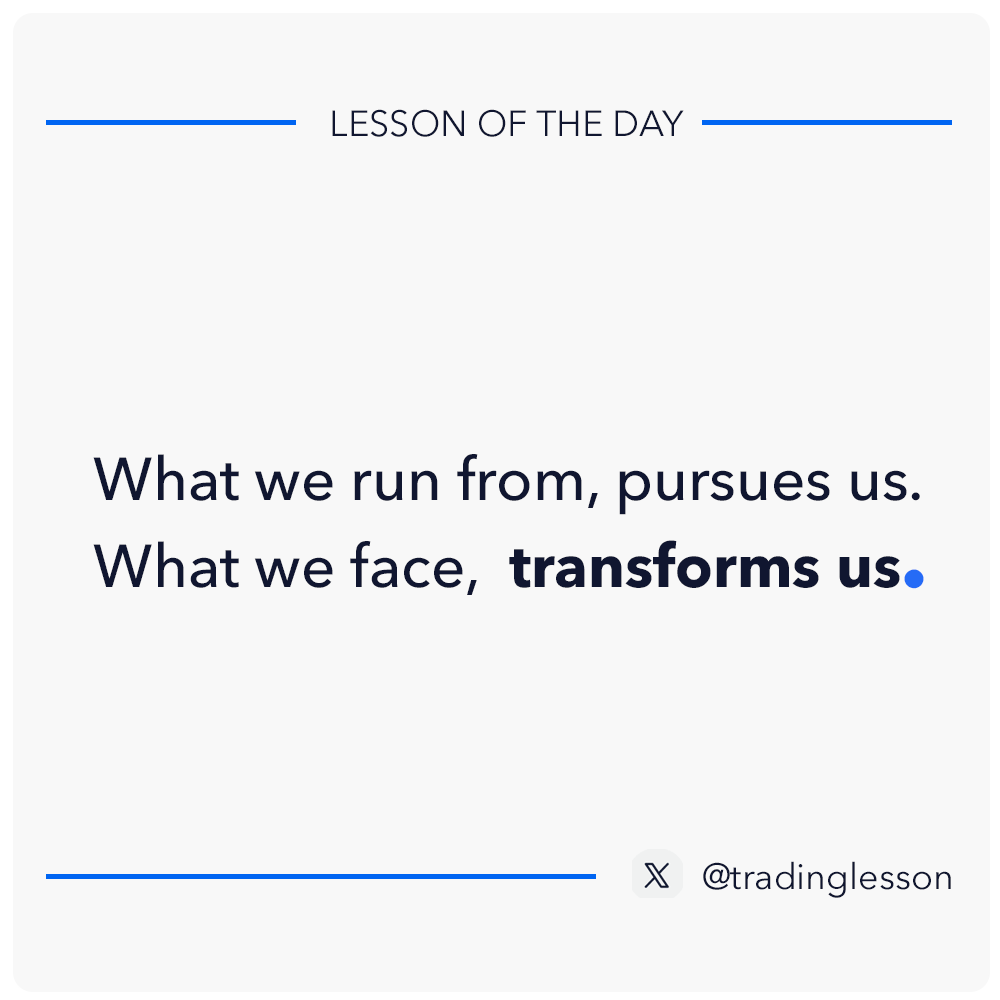
Lesson Of The Day:
Was this email forwarded to you? Don’t miss out on future stories — subscribe using the button below.
Also, help your friends blossom this spring! Share us with them.
💬 We Want To Hear Your Story:
Got a market or stock you want us to analyze next?
Just drop your request in the comments here.
❗ P.S. – If you no longer want to receive occasional emails from us and you want to unsubscribe, click here 👉 “Unsubscribe” . Thank you!


